Wisdom Teeth Removal Oxnard CA: Everything You Should Ask Your Surgeon
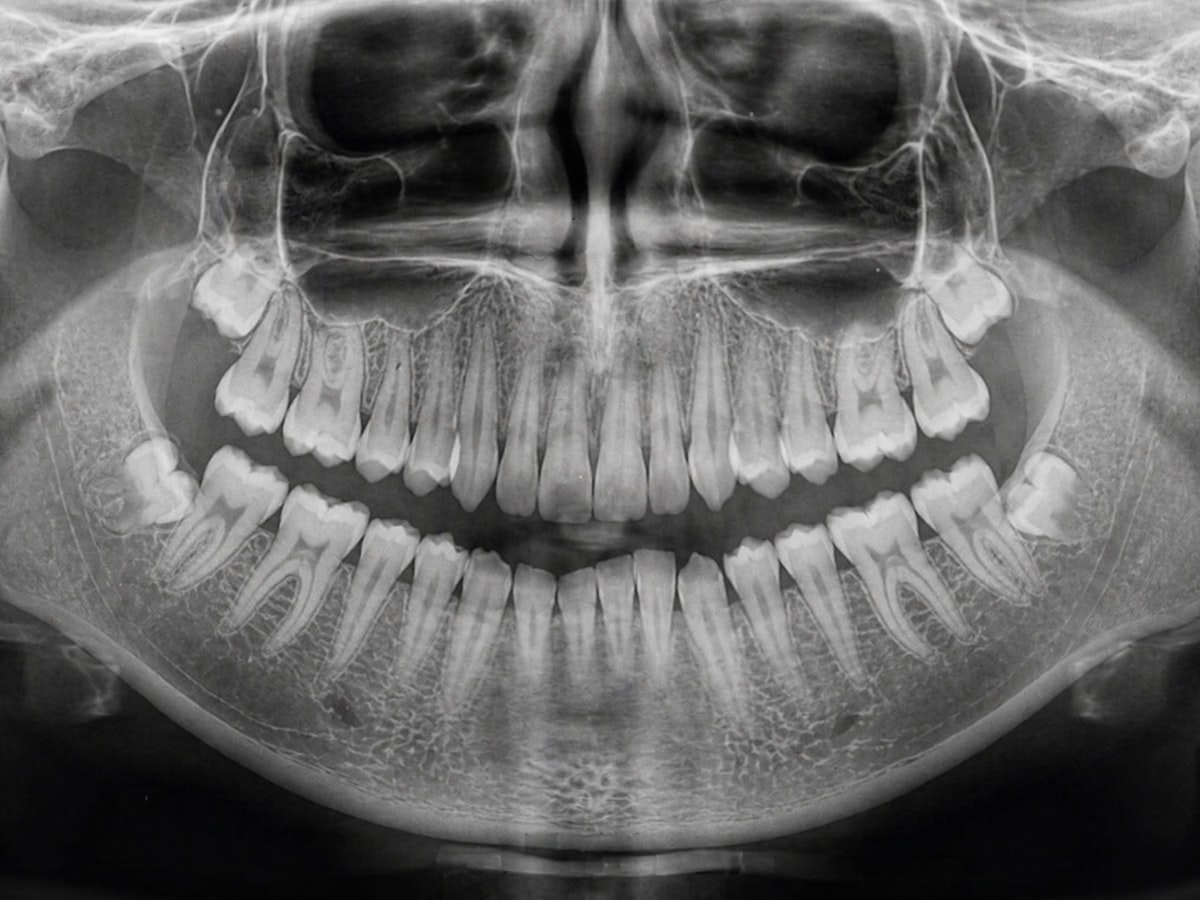
If you have been told you need your wisdom teeth removed, the first question is usually not whether it can be done. It is whether it needs to be done now, by whom, and under what circumstances. That matters more than most people realize. Wisdom teeth removal is common, but it is not casual. The details, your age, tooth position, nerve location, medical history, and even how your jaw has developed, can change the entire conversation.
Patients looking into Wisdom Teeth Removal Oxnard CA often start with the same assumption: if a dentist or oral surgeon recommends removal, the next step is to schedule it. Sometimes that is exactly right. Other times, the better move is to slow down and ask sharper questions. I have seen the difference that makes. A straightforward extraction can stay straightforward when planning is careful. A supposedly routine case can become more complicated when no one took the time to discuss impacted roots, sinus proximity, or what recovery will really look like for a college athlete, a working parent, or someone with severe dental anxiety.
The point is not to become skeptical of every recommendation. It is to become informed enough to consent with confidence.
Why wisdom teeth become a problem in the first place
Wisdom teeth, also called third molars, usually erupt in the late teens to mid twenties. Some come in normally and never cause trouble. Many do not. Modern jaws often do not have enough room for those last molars to emerge in a clean, functional position. When that happens, wisdom teeth may stay trapped under the gums, partially erupt, angle into the neighboring molar, or create pockets where bacteria collect.
A partially erupted tooth is a frequent source of repeated inflammation. Food and bacteria get under the gum flap, and patients experience tenderness, a bad taste, swelling, or trouble opening the mouth. Even when there is no active pain, an impacted wisdom tooth can still damage the tooth in front of it. I have seen second molars develop cavities on the back side because a wisdom tooth sat against them in a way that made cleaning almost impossible. By the time the patient feels something, the damage is already there.
That is why the decision is not based on pain alone. No pain does not always mean no problem. On the other hand, not every wisdom tooth needs to come out immediately. This is exactly where your surgeon’s judgment matters.
The first question to ask: why do mine need to be removed?
Start here, and stay here until the answer is specific.
A good explanation should go beyond “they are impacted” or “everyone gets them out.” You want to know what the X-rays show, what risks your current position creates, and what may happen if you wait. Are the teeth pushing into the second molars? Is there evidence of infection, gum pocketing, cyst formation, decay, or bone loss? Is there not enough room for eruption? Is the problem already active, or is this preventive planning based on a pattern that is likely to worsen?
The quality of the answer tells you a great deal about the practice. An experienced surgeon should be able to point to the image and explain the anatomy in plain English. If the lower wisdom teeth sit close to the inferior alveolar nerve, you should hear that. If the upper wisdom teeth are near the sinus, you should hear that too. If the recommendation is mainly age based, because healing and bone flexibility tend to be more favorable in younger patients, that should be part of the discussion.
There is a major difference between “you should remove these someday” and “there is a visible threat to the neighboring teeth right now.” You deserve to know which one applies to you.
Timing is not a minor detail
One of the most useful questions you can ask is whether this is urgent, advisable soon, or safe to monitor.
That sounds simple, but the answer can shape your recovery and your stress level. A high school senior may want surgery over winter break. A college student may prefer summer if four impacted teeth are involved. A bride with photos in three weeks needs honest guidance about swelling and bruising. Someone starting a new job next Monday should know whether a difficult extraction is likely to leave them puffy, sore, and speaking carefully for several days.
In younger patients, roots may not be fully formed, and removal can be technically easier. In older adults, the surrounding bone is often denser, roots may be more developed, and healing can be slower. That does not mean older patients should avoid surgery. It means the timing discussion should be individualized, not rushed.
If your surgeon says the case can wait, ask what signs would change that. Recurrent gum infections? Food trapping? New decay? Pressure on adjacent teeth? This gives you a useful framework instead of a vague “keep an eye on it.”
What imaging do you need, and why?
Most wisdom tooth evaluations begin with a panoramic X-ray. In many cases, that is enough. Sometimes it is not.
If the lower wisdom teeth appear close to the nerve canal, or if the anatomy looks unusual, a 3D scan may be recommended. Patients often wonder whether that is excessive. It is not, when it answers a real surgical question. A cone beam CT can show whether the roots sit beside, overlap, or wrap near the nerve, which can influence the approach and the discussion of risk.
This is worth asking directly: do you need additional imaging, and how would it change the plan?
That last part matters. Imaging should serve decision making. If a scan helps determine whether complete extraction https://titusbryg841.currentvale.com/posts/wisdom-teeth-removal-oxnard-ca-tips-for-a-comfortable-first-week is appropriate, whether a coronectomy should be considered in rare high risk cases, or whether the surgeon needs to section the tooth differently, then the scan has a clear purpose. If not, you should understand why it is being ordered.
The questions that reveal surgical judgment
Plenty of offices can explain the logistics. Fewer can explain the thinking. That is where your questions matter most.
Ask your surgeon how many wisdom tooth removals they perform in a typical month, and how often they treat cases like yours. A deeply impacted lower third molar in close nerve proximity is not the same as a fully erupted upper wisdom tooth. Experience is not just about volume. It is about familiarity with the exact pattern on your films.
Then ask what, specifically, makes your case easy, moderate, or difficult. You want details such as angulation, root shape, bone coverage, access, proximity to the nerve, or sinus relationship. If the answer is vague, keep asking until it is not.
It also helps to ask whether all four teeth should come out at once. For many healthy patients, removing all four in one visit is efficient and practical. There is one recovery period, one anesthesia event, and usually one period away from school or work. But there are exceptions. Medical issues, severe asymmetry in difficulty, financial considerations, and scheduling realities may lead to a staged approach. The right answer depends on the person sitting in the chair, not a standard script.
Sedation deserves a real conversation
This is one area where many patients nod along without understanding the options. They should not.
Wisdom tooth removal may be done with local anesthesia alone, local with nitrous oxide, oral sedation, IV sedation, or deeper anesthesia depending on the practice setup, the patient’s anxiety level, and the complexity of the surgery. The word “asleep” is used loosely in dental offices, and that causes confusion. Some patients are deeply relaxed and remember very little. Others are fully unconscious in the operating room setting. Those are not the same experience.
Ask what type of anesthesia is recommended for you, why it is appropriate, who will administer it, and how you will be monitored. If IV sedation is planned, ask whether the provider has the appropriate permits and emergency protocols. A well run office will explain monitoring clearly, including pulse oximetry, blood pressure, heart rate, and the recovery process after the procedure.
For anxious patients, this conversation can be the difference between postponing needed care and getting it done. I have met more than a few adults who delayed extraction for years because they thought they had only two choices: white knuckling through local anesthesia or going to a hospital. In reality, there is often a middle ground that makes the experience manageable.
Ask about the risks, but ask in a way that gets useful answers
Every surgery has risks. Hearing them listed quickly is not enough. You need context.
A good surgeon will discuss bleeding, swelling, bruising, pain, infection, dry socket, delayed healing, and temporary limitation in jaw opening. For lower wisdom teeth, there should also be a discussion of numbness risk involving the lip, chin, or tongue when nerves are nearby. For upper teeth, there may be discussion of sinus communication if roots are close to the sinus floor.
The key is to ask two follow-up questions: how likely are these issues in a case like mine, and what do you do to reduce the risk?
That opens the door to a far more meaningful conversation. You may hear about careful flap design, controlled bone removal, sectioning the tooth instead of forcing it, irrigation techniques, suturing choices, and how smoking or vaping sharply raises the risk of dry socket. You may also hear that some risks cannot be reduced to zero, only managed thoughtfully.
That is the kind of honesty you want. Not alarm, not minimization, just clarity.
The financial conversation should be specific, not awkward
There is no benefit in dancing around cost. Wisdom teeth removal can vary significantly depending on whether the teeth are erupted or impacted, whether bone removal is required, what type of anesthesia is used, and how insurance categorizes the procedure.
Ask for a written estimate that separates the surgical fee, anesthesia fee, imaging, pathology if applicable, and follow-up care. If your insurance is involved, ask whether the estimate reflects a verified benefits check or only a preliminary assumption. Those are different things, and patients often do not realize it until the bill arrives.
When looking into Wisdom Teeth Removal Oxnard CA, it is also reasonable to ask what happens if the surgeon starts with one plan and encounters something different during surgery. For example, a tooth that looked partially erupted may require more bone removal than expected. A transparent office will explain whether that changes the fee and under what circumstances.
This does not make you difficult. It makes you prepared.
Recovery is where good advice becomes practical
Many patients focus so heavily on the day of surgery that they barely think through the three to seven days after it. That is a mistake. Recovery is when small details matter.
Ask your surgeon what they expect your first 72 hours to look like. How much swelling is typical? When is the peak? Will you need prescription pain medication, or are alternating over the counter medications usually enough? How long before you can return to work, school, the gym, or team sports? Can you travel soon after surgery, or should you stay close to the office for follow-up?
If you play a wind instrument, work in customer service, coach youth sports, or care for toddlers, mention it. Recovery advice should fit real life. A patient who spends all day talking on the phone has different concerns than a patient who can work quietly from home. A college student in a dorm may need extra guidance on food, ice, and medication timing. Someone with a history of nausea after sedation may need a different medication plan from the start.
One of the smartest questions you can ask is what tends to make recovery harder than it needs to be. Surgeons and their teams usually know the patterns. Patients who skip food before taking pain medication, use straws, smoke, spit aggressively, exercise too soon, or ignore cleaning instructions often end up more uncomfortable. A short, candid explanation here can prevent a miserable weekend.
Questions worth bringing to the consultation
You do not need to read these like a script, but having a few written down helps, especially if you are nervous or short on time.
- Why do my wisdom teeth need to come out now, and what happens if I wait?
- How close are the teeth to the nerve or sinus, and do I need 3D imaging?
- What type of anesthesia do you recommend for me, and how will I be monitored?
- What risks are most relevant in my case, and how do you reduce them?
- What should I realistically expect for recovery, cost, and time away from normal activities?
Five focused questions can tell you more than twenty generic ones.
If you are getting mixed opinions
This happens more often than people think. One dentist says remove all four. Another says monitor two and remove two. A third says there is no rush. It can be frustrating, but it does not always mean someone is wrong. They may be weighing the same anatomy differently, especially if the findings are borderline.
When opinions differ, ask each provider to explain the threshold they are using. Are they trying to prevent future crowding, address visible pathology, avoid nerve risk until symptoms appear, or take advantage of easier healing at a younger age? Once you understand the reasoning, the disagreement often becomes more understandable.
A second opinion is especially helpful if the lower teeth appear very close to the nerve, if you have no symptoms and the recommendation seems urgent without explanation, or if you are older and being advised to remove deeply impacted teeth that have been stable for years. The goal is not to shop for the answer you prefer. It is to understand the trade-offs well enough to make a responsible choice.
Special situations patients often forget to mention
Medical details that seem minor can matter during oral surgery. Asthma, diabetes, bleeding disorders, autoimmune conditions, reflux, sleep apnea, and heart conditions all deserve mention. So do pregnancy, recent illness, medication allergies, and any prior problems with anesthesia. Even supplements matter sometimes, especially if they affect bleeding or interact with sedatives.
Orthodontic history can matter too. Patients often assume braces settled the crowding question years ago and that wisdom teeth are unrelated. In truth, the relationship between wisdom teeth and front tooth crowding is more complicated than many people think, and surgeons should be honest about that. Wisdom teeth are not always the villain people were once told they were, but they can still create hygiene and eruption problems even when crowding is not the issue.
People who clench or grind should mention that as well. Postoperative soreness can feel more intense when jaw muscles are already overworked.
What a well run office usually does differently
The technical surgery matters, of course. So does everything around it. The best experiences are rarely defined by speed alone. They are defined by clarity, preparation, and follow-through.
A strong oral surgery team tends to confirm medications in advance, review fasting instructions carefully when sedation is involved, discuss transportation requirements without ambiguity, and give postoperative instructions in both spoken and written form. They are also available when the patient calls the next day worried about swelling, a strange taste, or whether the socket looks normal.
Here is a practical way to judge the office before your procedure:
- They explain your imaging clearly and answer questions without rushing.
- They give precise pre-op and post-op instructions, not vague generalities.
- They discuss anesthesia and risks in language you understand.
- They provide transparent fees and outline what follow-up support is included.
- They make it easy to reach a real person if recovery does not go as expected.
Patients often remember this level of care even more than the surgery itself.
What recovery usually feels like, day by day
The first day is often easier than people expect if numbness and sedation are still fading. The second and third days are commonly the peak for swelling and stiffness. That catches patients off guard. They think something went wrong because they looked relatively normal the evening of surgery, then wake up fuller in the cheeks and sorer when opening wide. That pattern is common.
By days four through seven, most healthy patients notice a steady turn for the better. They may still be eating softer foods and cleaning gently, but the worst is usually behind them. Full socket healing takes longer than a week, sometimes several weeks, and the holes can trap food for a while. That is annoying, but not necessarily abnormal.
If your surgeon’s instructions mention irrigation with a syringe after several days, ask when to start and how forceful to be. Too early can disturb the area. Too late can leave food packed in the sockets. This is a good example of why individualized instructions matter more than internet advice from strangers.
When to call after surgery
Patients tend to underreact to some things and overreact to others. Mild oozing, swelling, stiffness, and a limited ability to open are common. Worsening pain after a brief improvement, persistent bleeding that does not respond to pressure, fever, foul drainage, trouble swallowing, or numbness that concerns you deserves a call.
Dry socket is one term almost everyone has heard, usually from a friend with a horror story. It is painful, but it is also treatable. The bigger mistake is waiting several miserable days because you think you are supposed to tough it out. If the pain escalates instead of gradually improving, especially around day three or four, let the office know.
That same advice applies to uncertainty. Patients do better when they ask early. A five minute phone call can save a lot of worry.
Choosing your surgeon in Oxnard with the right priorities
If you are searching for Wisdom Teeth Removal Oxnard CA, location matters, but it should not be your only filter. Convenience is helpful, especially when you need a ride home after sedation, but the closer office is not automatically the better choice. What matters more is whether the surgeon can explain your specific anatomy, whether the office communicates clearly, and whether the treatment plan fits your medical and practical situation.
It also helps to pay attention to how the consultation feels. Did anyone ask about your health history in a meaningful way? Did they review the images with you, or simply tell you what would happen? Did they address your anxiety, schedule, work obligations, and recovery concerns, or move quickly to booking?
Patients can tell when a recommendation has been thought through. It sounds different. It feels different. The explanation is calmer, more precise, and less dependent on stock phrases.
Wisdom teeth removal is common for a reason, but common does not mean one-size-fits-all. The right questions bring the plan into focus. They help you understand why surgery is being recommended, what risks apply to you, how recovery will likely unfold, and whether the office in front of you is equipped to handle the details well. That is what good decision making looks like, and it is exactly what you should expect before saying yes.
Oxnard Dentistry
1730 E Gonzales Rd
Oxnard, CA 93036, United States
Phone: +1 805-307-8731
FAQ About Wisdom Teeth Removal Oxnard CA
How much does it cost to get wisdom teeth removed in California?
Fees depend on tooth position, the number of extractions, imaging and anesthesia. Oxnard Dentistry can provide an individual estimate after examining your teeth. Ask for an itemized plan and confirm insurance benefits before scheduling.
Will insurance cover wisdom teeth removal?
Coverage and out-of-pocket costs vary by policy and the treatment required. Ask the dental office and your insurer to verify benefits, annual limits and any authorization requirements. A benefit estimate does not guarantee payment.
Is 30 too old to have wisdom teeth removed?
Age alone does not determine whether extraction is appropriate. A dentist evaluates symptoms, tooth position, oral health and medical history. Healthy, functional wisdom teeth may be monitored; teeth causing disease or other problems may need treatment.